Commercial Roofing
Commercial roofs fail on a different timeline than residential ones. We schedule around your business, not the other way around.
Request this serviceWe work with property managers and business owners across the I-35 corridor to install and maintain commercial roof systems that minimize disruption and protect the asset underneath. Every project is scheduled to keep your operation running.
Our Services
- TPO, EPDM, and modified bitumen systems
- Preventive maintenance programs
- Emergency leak response for commercial properties
- Flexible scheduling around business hours
- Multi-property and portfolio bids
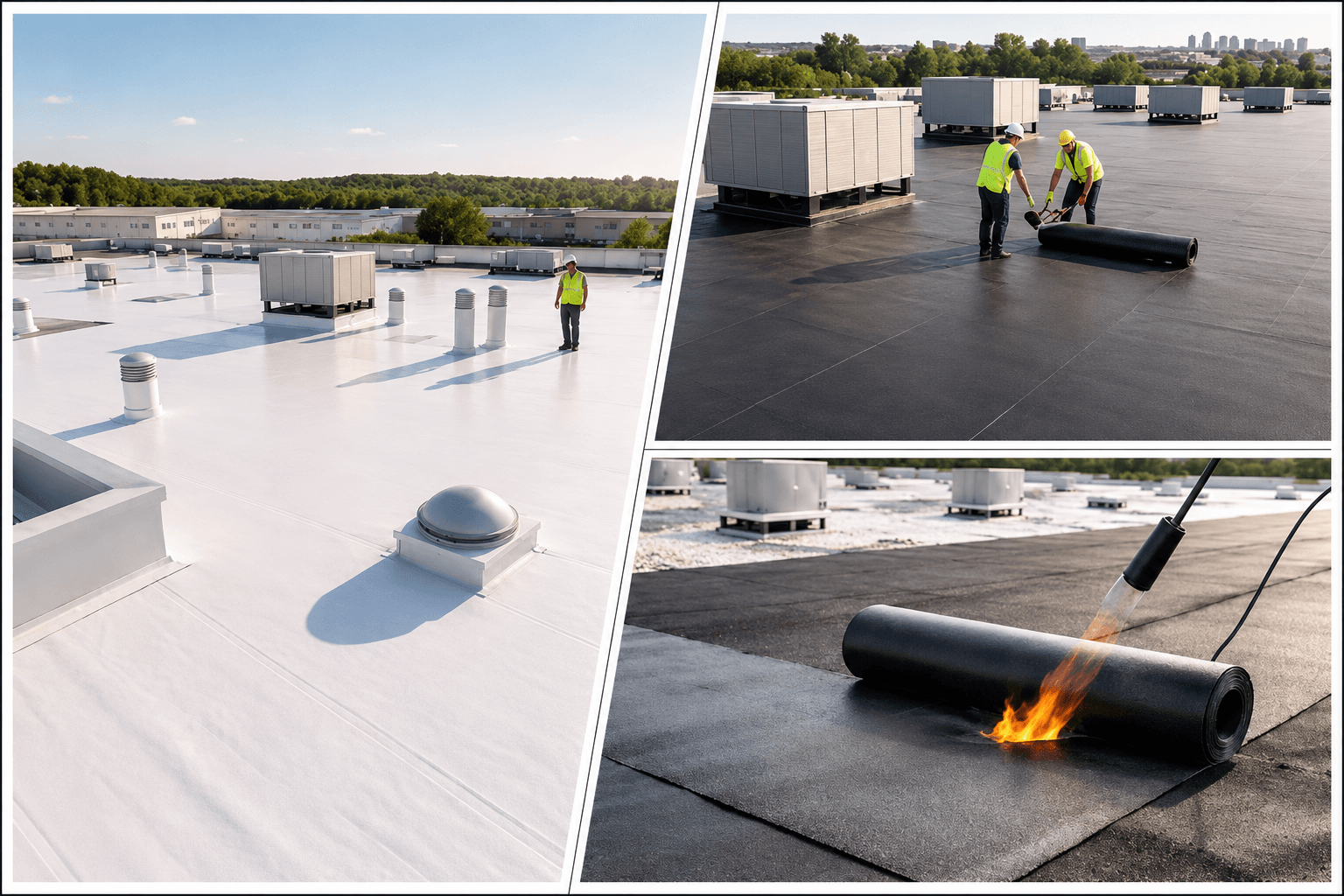
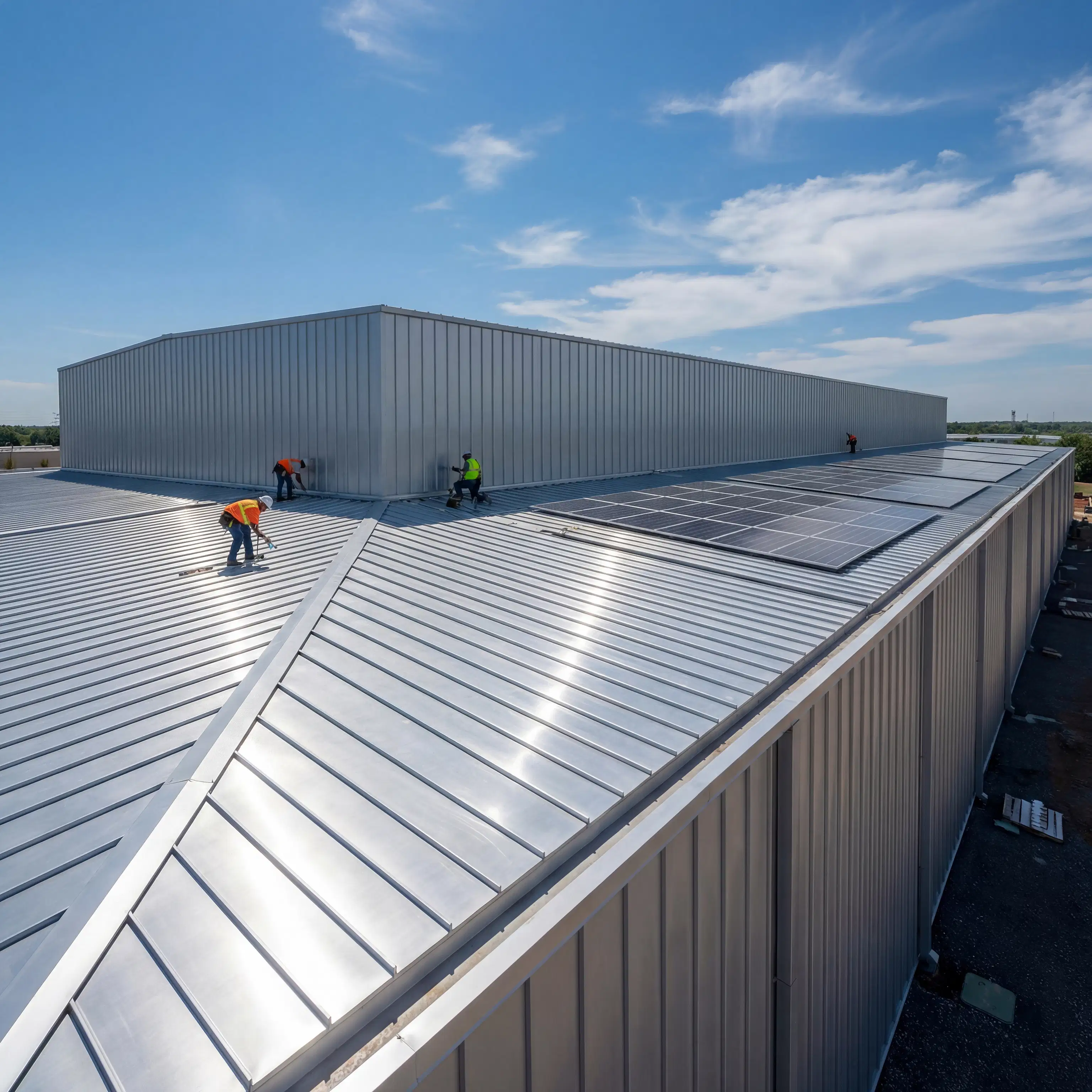
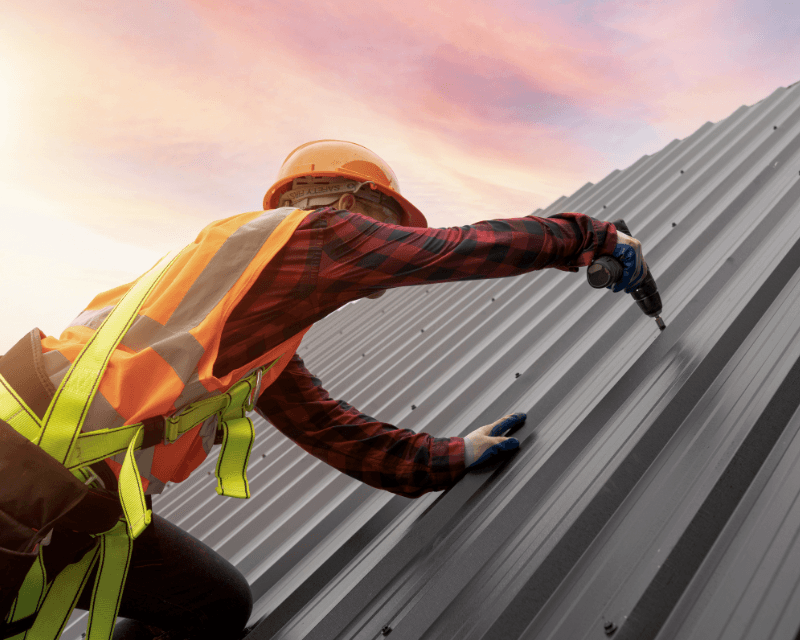
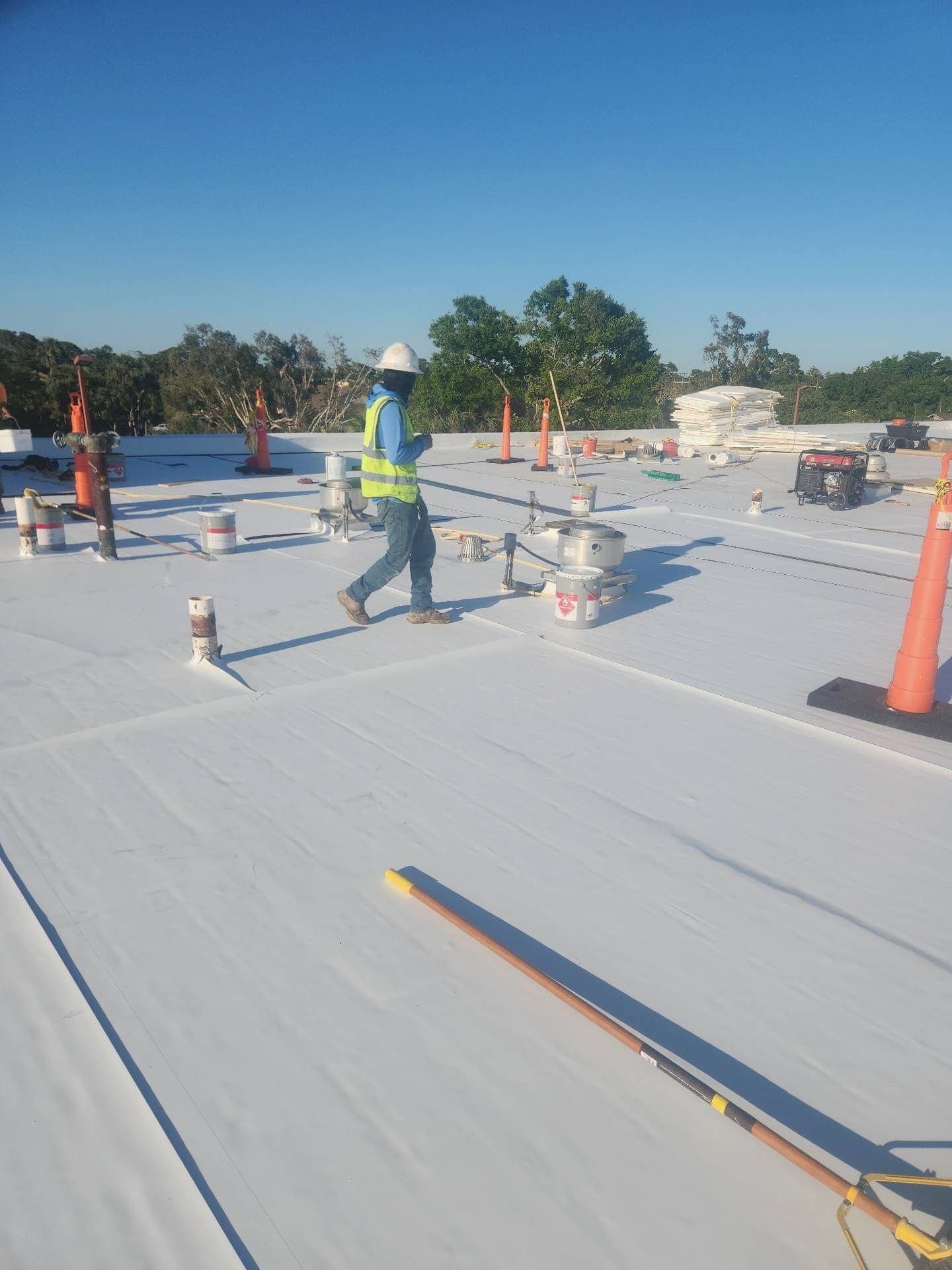
Recent work
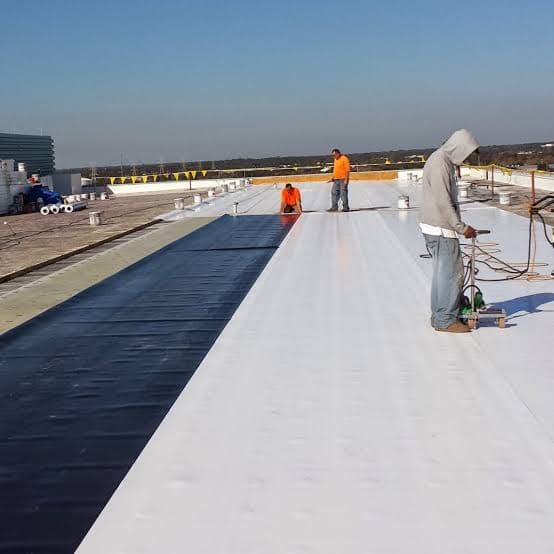
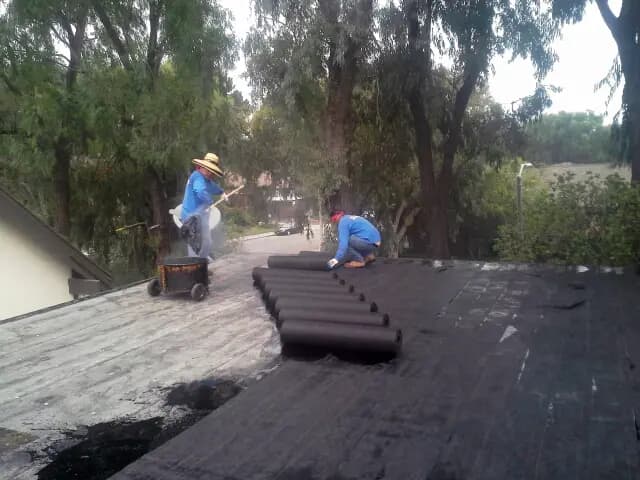
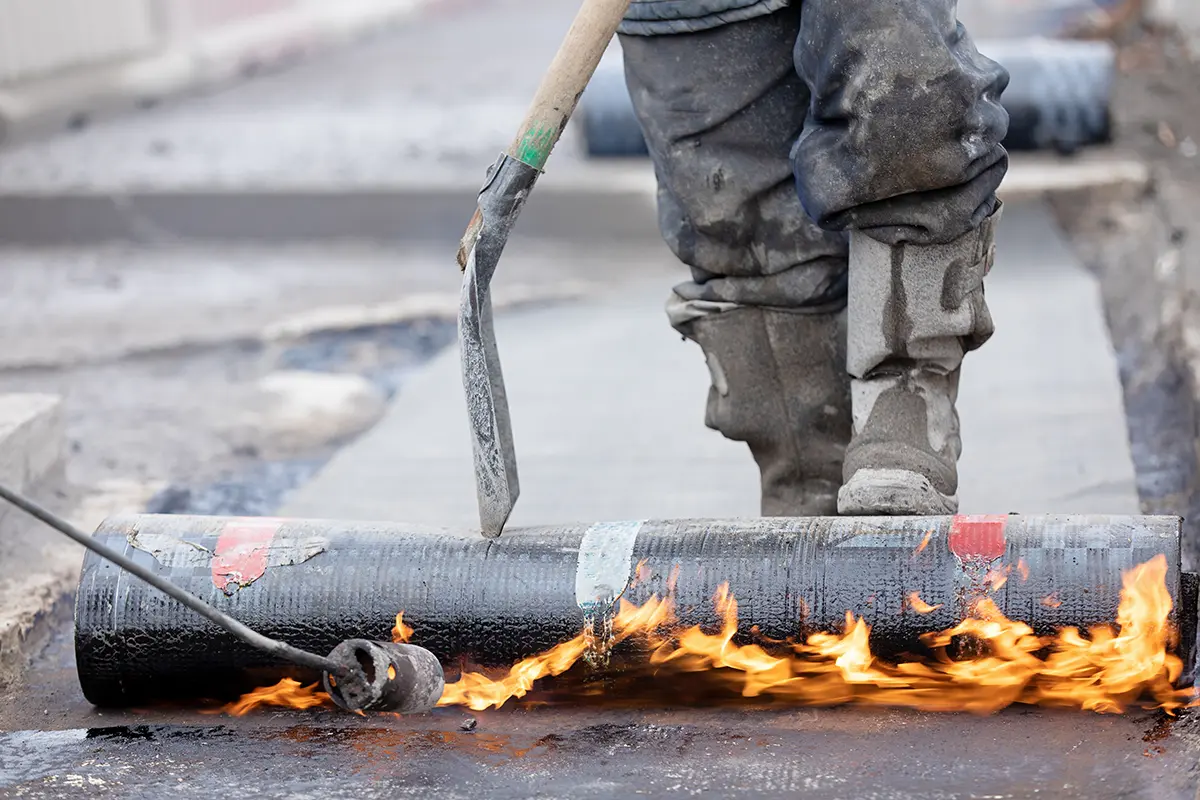
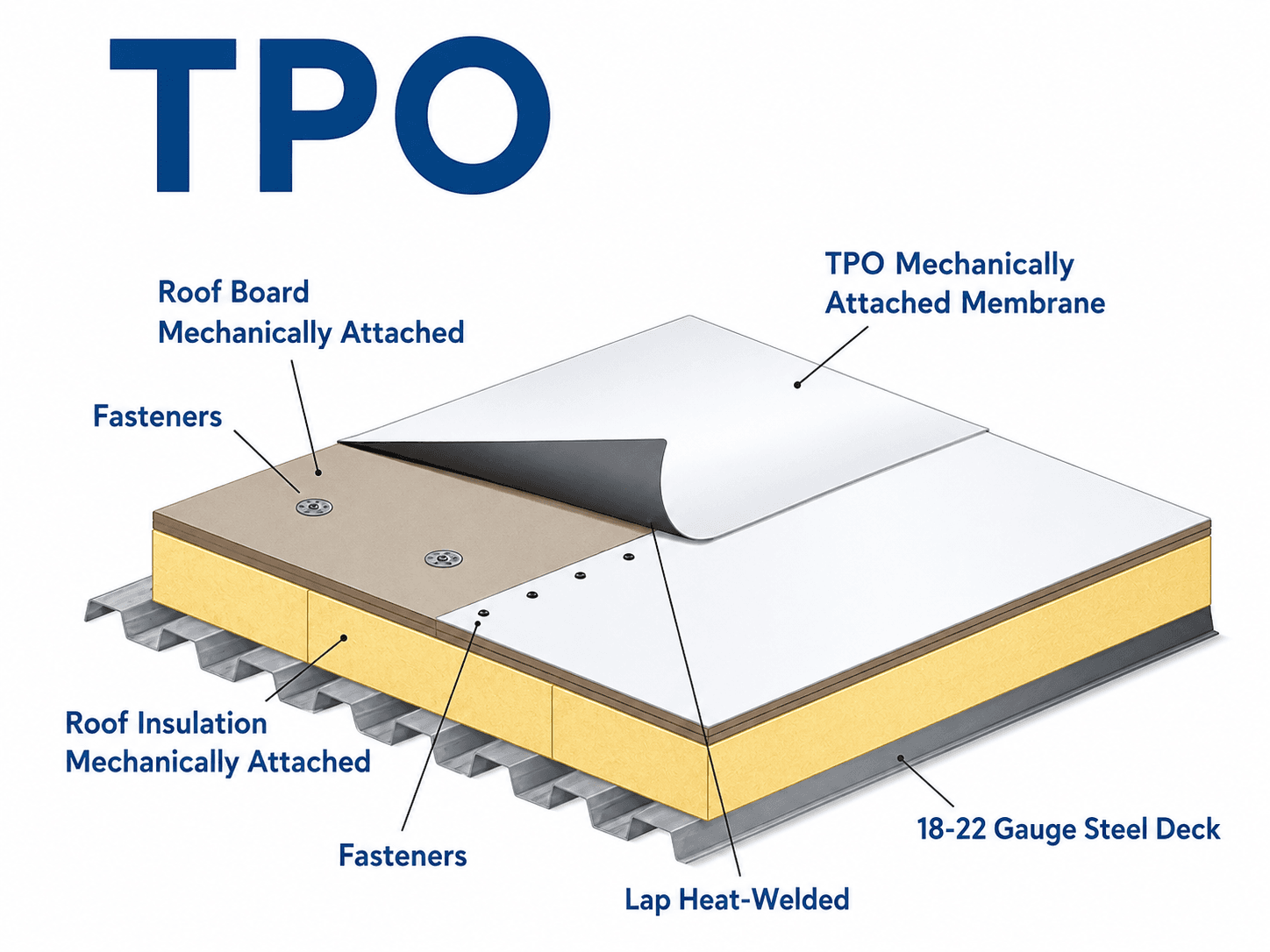
How a TPO roof system is built
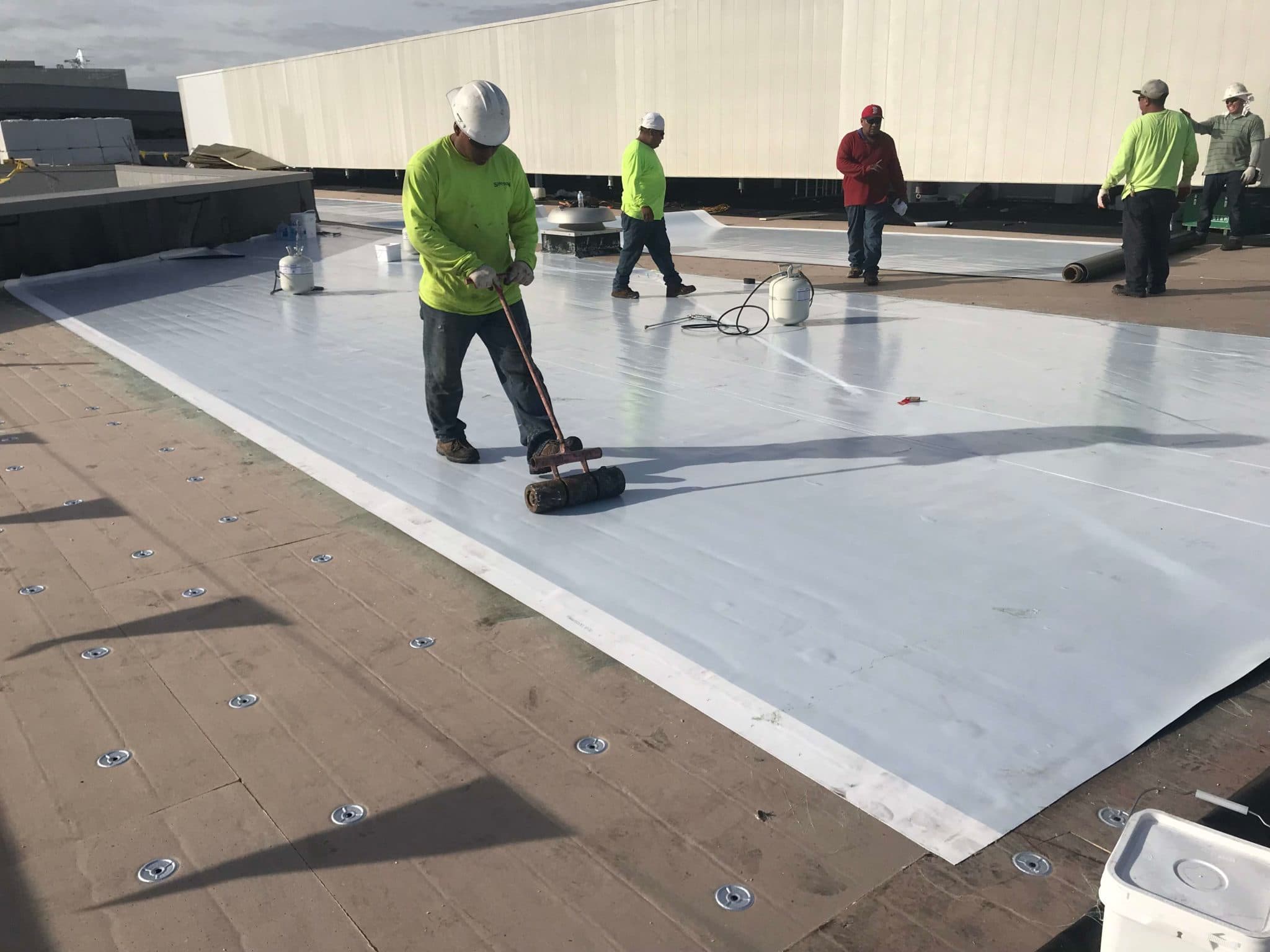
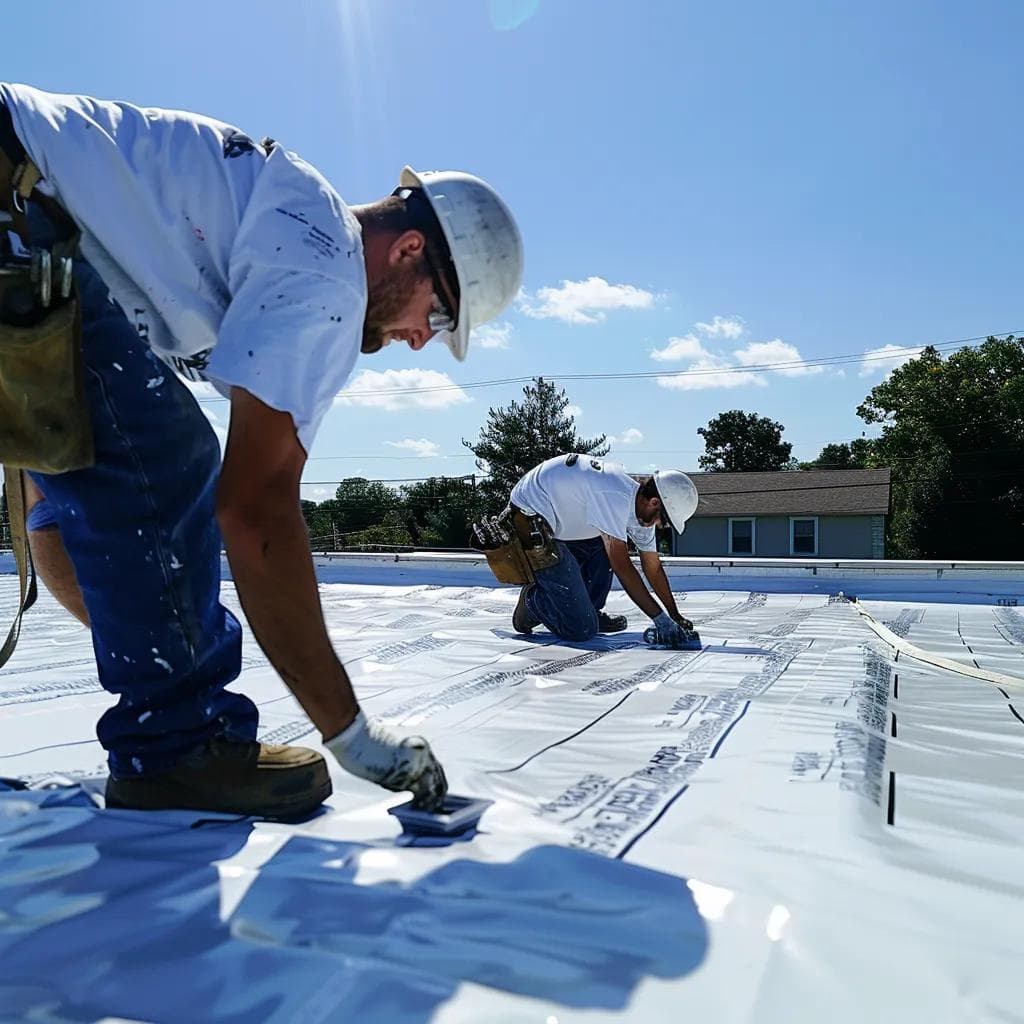
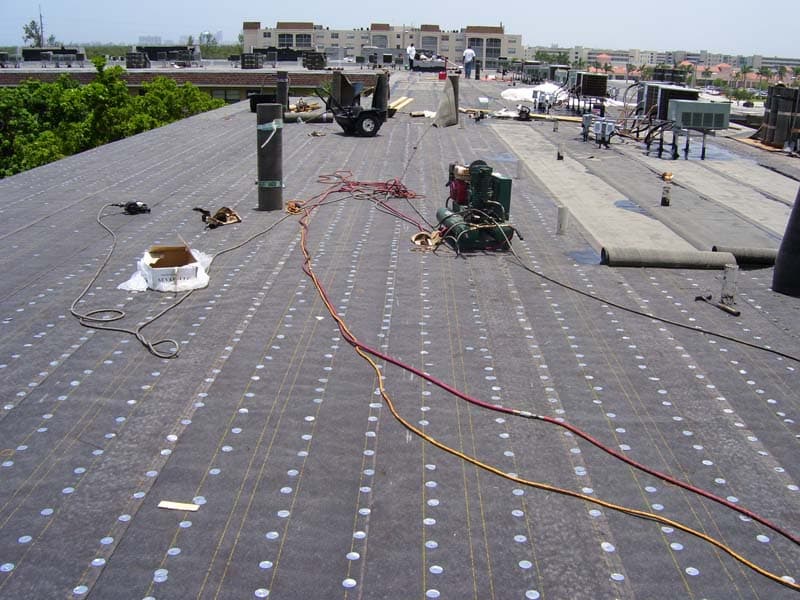
TPO is one of the most common low-slope commercial systems we install — a mechanically attached, heat-welded membrane over insulation and a steel deck.
How it works
Property assessment
We evaluate the existing roof system, drainage, and any problem areas.
Scope and proposal
A detailed scope of work with options for repair, coating, or full replacement.
Scheduled execution
Work is phased and scheduled to minimize disruption to tenants or operations.
Maintenance plan
Optional ongoing inspection program to catch issues before they become costly.
Frequently Asked Questions
The leading single-ply and low-slope options are TPO, EPDM, and modified bitumen. TPO's heat-welded seams and reflective surface suit energy-conscious buildings; EPDM has a decades-long track record and good cold-weather flexibility; modified bitumen resists punctures on high-traffic roofs. The best choice depends on your building's drainage, rooftop traffic, and budget, which we evaluate on-site.
Both are proven low-slope membranes that can last decades, but they differ in a few ways: TPO is typically a reflective white membrane with heat-welded seams, while EPDM is a black rubber membrane usually joined with tape or adhesive seams. TPO's reflectivity can lower cooling costs in hot climates like Central Texas, while EPDM has the longer historical track record. We help you weigh energy performance, seam durability, and cost.
Expected service life is roughly 20-30 years for TPO and EPDM and about 15-20 years for modified bitumen, but installation quality and maintenance matter more than the material label. Twice-yearly inspections, keeping drains clear, and repairing seams and flashing promptly are the most effective ways to reach the roof's design life.
Yes. A scheduled program of inspections, drain and debris cleaning, and documented minor repairs prevents small issues from becoming costly interior-damage events and helps keep warranties valid. Documented maintenance history is also increasingly important for insurance, since carriers may scrutinize inspection records after a storm claim.
Ponding — water that remains on the roof more than a day or two after rain — usually points to drainage or slope issues and can stress the membrane and shorten its life over time. Persistent ponding should be evaluated, because ongoing standing water is a common driver of low-slope roof deterioration and failure. We assess drainage as part of any commercial inspection.
Ready to talk about your roof?
No-cost, same-day inspections in most cases. Call or send a message and we'll get back to you fast.