Tile Roofing
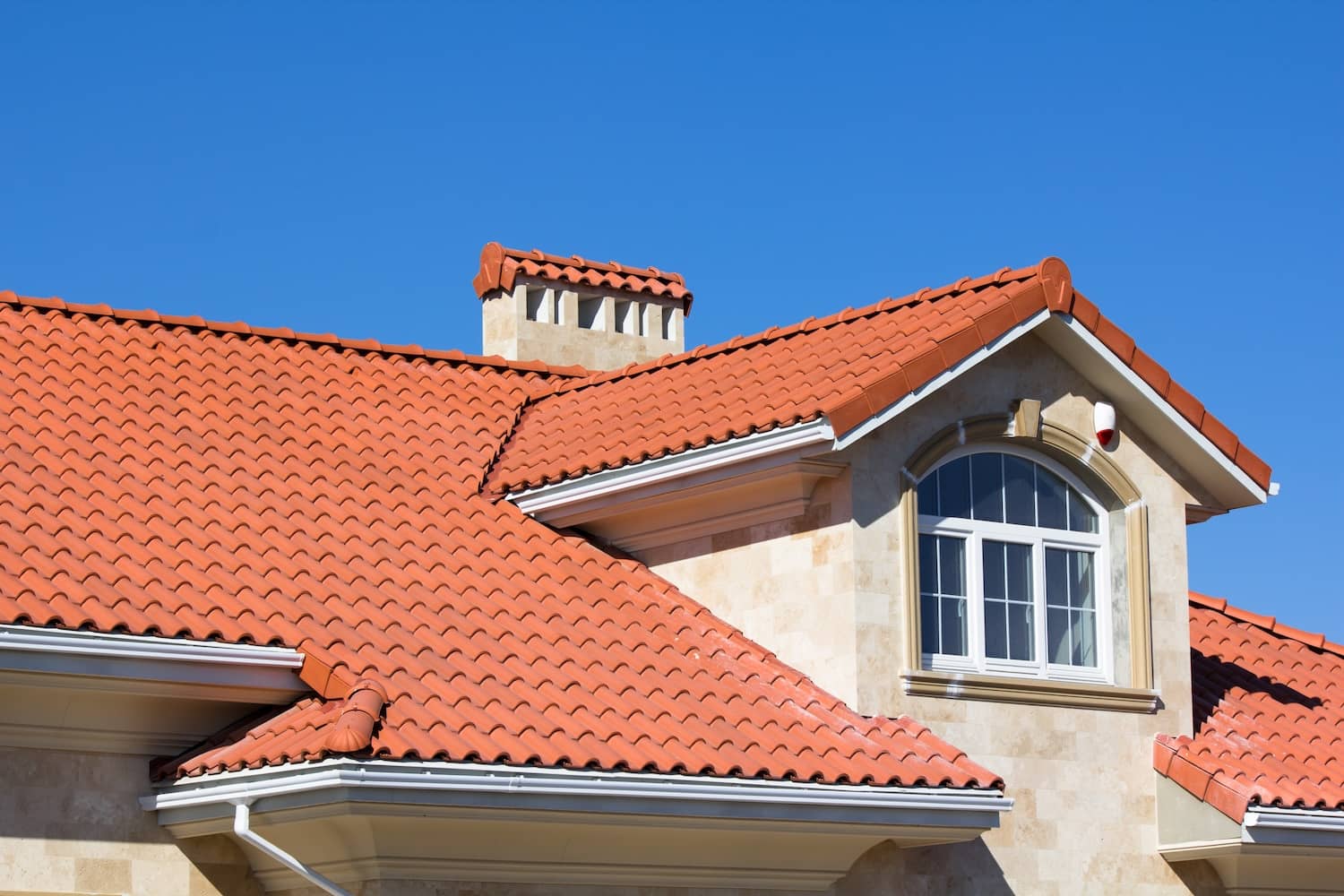
Tile is one of the longest-lasting roofing materials available — a well-installed clay or concrete tile roof can outlive the shingles on the house next door by decades.
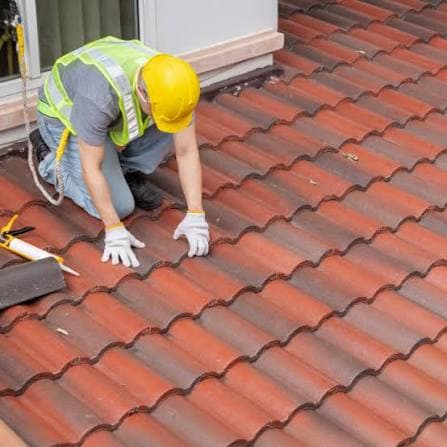
Request this serviceTile isn't just another roofing material with a different look — it behaves differently than shingle or metal in ways that change how it should be installed and cared for. It's heavy, so the structure underneath has to be able to carry it. It outlasts the underlayment beneath it, so that underlayment is usually what actually fails first on an older tile roof, not the tile itself. And individual tiles crack rather than wear out, which means repairs are about sourcing a matching profile, not just patching. We handle all of that — structural check, underlayment, batten spacing, and flashing detail — so the roof performs as well as it looks for the decades it's built to last.
Our Services
- Clay and concrete tile systems
- Structural load assessment before installation
- Tile repair and selective replacement with matched profiles
- Proper underlayment and battening for Texas weather
- Flashing detail around valleys, vents, and chimneys
What makes tile different
Tile behaves differently than shingle or metal — here's how
Clay and concrete tile aren't just a different look. They're heavier, they last longer, and they fail differently — which changes how they should be installed, repaired, and cared for.
Longevity
A well-installed clay or concrete tile roof routinely lasts 50+ years, and many clay roofs are still performing at 75-100. Tile doesn't wear out the way asphalt granules do — it's built to outlast several shingle roofs in a row.
Weight & structure
Tile is heavy — clay and concrete can run several times what asphalt shingles weigh per square. Before installation, especially on a home originally built for shingles, we confirm the structure can carry that load and reinforce it if it can't.
Climate suitability
Tile reflects more heat than asphalt and creates an airflow gap that keeps attics cooler — a real advantage in Central Texas summers. It's also highly wind- and fire-resistant, though individual tiles can crack from a direct hail strike or foot traffic.
Style variety
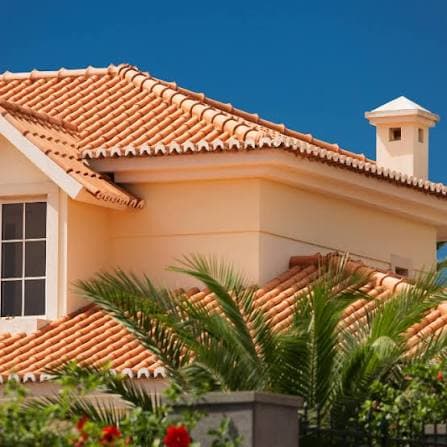
Clay and concrete tile come in a range of profiles — barrel, flat, S-curve, scalloped — and finishes, from traditional terracotta to slate-look and Spanish-inspired colors. Availability varies by manufacturer, so we'll show you what's actually in stock.
Maintenance
The tile itself needs little upkeep, but the underlayment beneath it has a shorter service life and is usually what fails first on an older roof. We also recommend keeping foot traffic off tile outside of a professional inspection — cracked tiles are easy to miss from the ground and easy to make worse by walking on them.
How it works
Roof & structure assessment
We confirm your existing structure can carry tile's added weight and inspect the deck before anything goes on it.
Profile & color selection
Choose from clay and concrete tile profiles and finishes we can actually source, not just a catalog photo.
Underlayment & installation
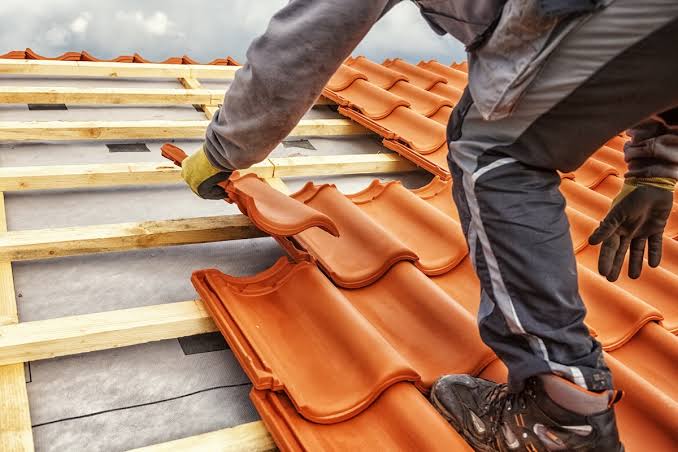
Tiles are set over premium underlayment with the batten spacing and flashing detail Central Texas weather requires.
Final walkthrough
We review the finished roof with you, including care guidance — starting with keeping unnecessary foot traffic off it.
Frequently Asked Questions
Possibly. Tile is far heavier than asphalt shingles — concrete tile in particular weighs several times more than shingles per square — so a home not originally engineered for tile may need a structural evaluation before installation. We arrange a structural assessment when converting from a lighter material so the framing can safely carry the load.
Clay tile is among the longest-lasting roofing materials, frequently lasting well over 50 years and often 100+, while concrete tile commonly lasts around 50 years. Importantly, the underlayment beneath the tile has a shorter life than the tile itself and typically needs replacement decades before the tiles do, even when the tiles remain sound.
Clay tile is kiln-fired, extremely color-stable, lighter than concrete, and generally longer-lasting, but costs more; concrete tile is more budget-friendly and offers more shape and color options but is heavier and absorbs more water, which can encourage algae or moss in damp areas. We help you weigh weight, longevity, appearance, and budget for your specific home.
Yes. Individual damaged tiles can usually be replaced without redoing the entire roof, which is one of tile's advantages. However, if water has reached and damaged the underlayment or decking, a larger repair or re-underlayment may be needed even when most tiles are reusable. We diagnose whether the issue is surface-level or underneath.
Tile costs more up front than asphalt but can last two to four times longer and stands up well to heat and sun, so its longer lifespan can offset the higher initial price over the life of the home. We provide an itemized estimate so you can compare lifetime value, not just the day-one price.
Ready to talk about your roof?
No-cost, same-day inspections in most cases. Call or send a message and we'll get back to you fast.